James McManus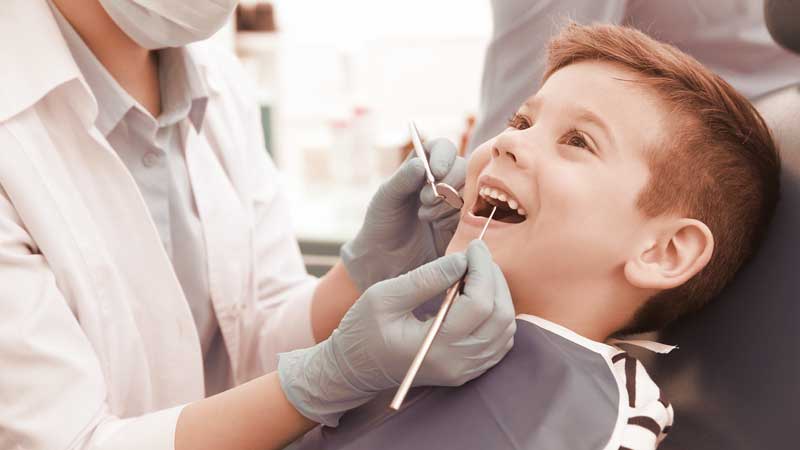
The Surprising Connection Between Conversation and Mastication
The dinner table has long been regarded as a place for families to gather, share stories, and reconnect after busy days. However, few people consider how these cherished conversations might be influencing their chewing patterns and, consequently, their digestive health and dental wellbeing. The relationship between social dining and oral health represents a fascinating intersection of behavioural science and dental care that deserves closer examination.
When individuals engage in animated discussions whilst eating, they often unconsciously alter their chewing patterns. Research suggests that distracted eating can lead to inadequate mastication, which means food particles are not broken down sufficiently before swallowing. This phenomenon has implications that extend beyond simple digestion, affecting everything from nutrient extraction to the long-term health of tooth enamel and surrounding structures.
Dental professionals, including those at practices such as a dentist Pinner, frequently observe patients who present with wear patterns consistent with rushed or inefficient chewing. These patterns can manifest as uneven tooth wear, increased sensitivity, and even temporomandibular joint discomfort. Understanding the mechanics of proper mastication becomes essential for maintaining optimal oral health throughout one’s lifetime.
Understanding the Mechanics of Efficient Chewing
The human jaw is a remarkably sophisticated piece of biological engineering, capable of exerting substantial force whilst simultaneously protecting delicate dental structures. Proper chewing involves a coordinated sequence of movements that should ideally occur between 20 and 40 times per mouthful, depending on the food’s texture and composition. This process serves multiple purposes beyond simply reducing food to swallowable portions.
During thorough mastication, saliva production increases significantly, introducing essential enzymes that begin the digestive process whilst the food remains in the mouth. According to research on digestive physiology and enzyme function, this early-stage breakdown of carbohydrates and fats plays a crucial role in overall nutrient absorption. When chewing is rushed due to conversation or distraction, this vital preliminary digestion is compromised, placing additional burden on the stomach and intestines.
The Impact of Conversational Dining on Oral Health
When people talk whilst eating, they tend to chew on one side of the mouth more frequently than the other, creating an imbalance in how forces are distributed across the dental arch. This asymmetrical chewing pattern can lead to accelerated wear on particular teeth, potentially resulting in uneven surfaces that compromise the bite. Furthermore, the tendency to swallow larger food particles increases the risk of those particles becoming lodged between teeth, creating environments where bacteria can flourish.
The social aspect of dining need not be abandoned entirely, but awareness of these patterns can help individuals make conscious adjustments. Studies examining the relationship between eating behaviours and digestive outcomes have demonstrated that even small modifications to chewing habits can yield significant improvements in both nutrient uptake and oral health maintenance.
Practical Techniques for Optimising Chewing Efficiency
Implementing strategies to improve mastication does not require dramatic lifestyle changes. Simple adjustments can make a substantial difference to both digestive efficiency and dental protection. Consider these evidence-based approaches:
- Designate specific moments during meals for conversation, alternating with periods of focused chewing
- Place utensils down between bites to encourage thorough mastication before the next mouthful
- Consciously alternate chewing sides to distribute forces evenly across all teeth
- Select foods that require natural chewing effort, promoting stronger jaw muscles and better saliva production
- Maintain awareness of chewing speed, aiming for a relaxed, unhurried pace
Additionally, understanding the biochemistry of nutrient absorption reinforces why proper chewing matters. When food is adequately broken down mechanically and mixed with saliva, the body can extract vitamins, minerals, and other essential compounds far more effectively than from poorly masticated meals.
Creating Sustainable Habits for Long-Term Dental Health
The connection between dining conversations and chewing efficiency highlights a broader principle in dental care: seemingly minor habits accumulate over time to produce significant effects. By cultivating mindful eating practices, individuals can protect their dental surfaces from unnecessary wear whilst simultaneously enhancing their body’s ability to derive nutrition from food. These complementary benefits demonstrate that oral health extends far beyond the teeth themselves, encompassing digestive wellness and overall vitality. Regular consultations with dental professionals ensure that any emerging issues related to chewing patterns can be identified and addressed before they develop into more serious concerns.