James McManus
Everyday program depends on balanced air levels supporting smooth rolling resistance control. Pressure differences quietly influence consumption handling response across changing conditions. Many drivers overlook this simple factor despite a measurable performance impact. Guidance from Pickyourtires highlights the importance of correct inflation for routine movement safety. Awareness encourages regular checks supporting reliable control and reduced fuel use.
Balanced inflation supports a stable rolling
Correct air levels maintain proper surface contact throughout motion cycles. Stability improves steering response and braking predictability.
Efficiency improves through reduced resistance
Proper inflation lowers drag during movement. Reduced resistance supports improved fuel usage outcomes.
Under inflation increases energy loss
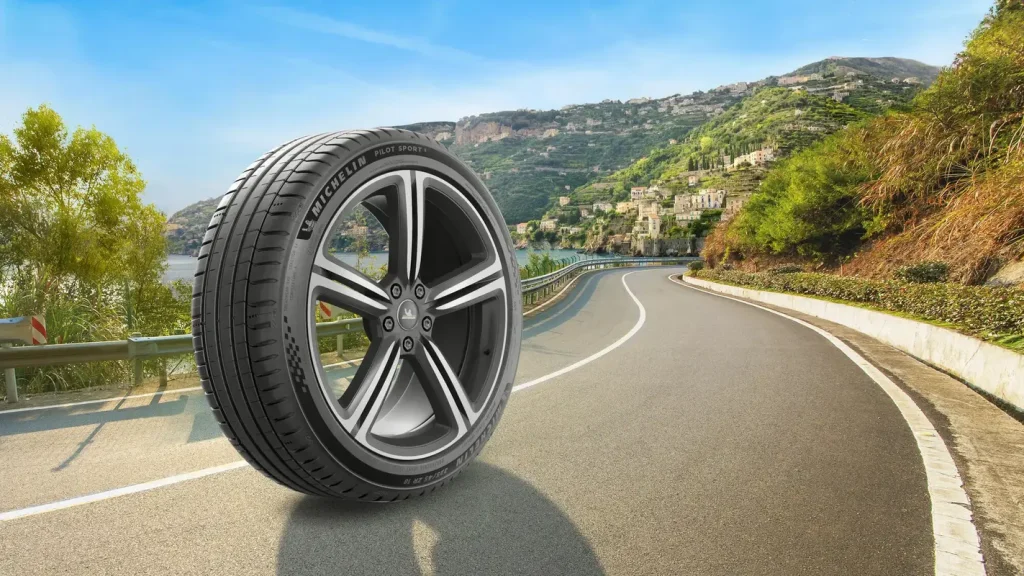
Low air levels expand surface contact area, increasing resistance strain. This condition wastes fuel quickly.
- Soft tires flex excessively, causing higher rolling resistance during daily movement
- Increased contact area demands additional energy for forward motion
- Sidewall stress raises internal heat, leading to faster material wear
- Steering response becomes sluggish, reducing control during direction changes
- Fuel consumption rises steadily under prolonged inflationary conditions
Over-inflation reduces surface grip
Excess air decreases the contact patch size, affecting traction balance. Control suffers during braking.
- Reduced surface contact limits grip during wet or uneven surfaces
- Center tread wears faster, lowering usable lifespan prematurely
- Braking distance increases during sudden stopping moments
- Ride becomes harsh, transferring vibration through suspension components
- Handling feels unstable during cornering movements
Temperature changes alter pressure levels
Air expands and contracts with temperature shifts. Seasonal checks remain important.
- Cold conditions reduce pressure-lowering efficiency unexpectedly
- Warm conditions increase pressure, affecting grip balance
- Daily temperature swings cause gradual pressure variation
- Regular monitoring prevents unnoticed imbalance risks
- Seasonal adjustments support consistent performance
Load changes affect inflation needs
Weight variations alter pressure requirements. Correct adjustments protect control.
- Added load compresses tires, increasing surface stress
- Insufficient air under load risks sidewall damage
- Proper adjustment maintains shape during heavier usage
- Balanced inflation supports braking reliability
- Load awareness prevents structural strain issues
When does pressure imbalance affect efficiency?
Efficiency drops when rolling resistance increases due to consistently incorrect inflation levels.
Smarter daily control
Maintaining balanced air levels supports efficient movement across varied conditions daily. Awareness reduces unnecessary fuel loss steadily. Control improves through a predictable handling response. Simple habits prevent avoidable wear issues. Guidance from Pickyourtires supports confident decisions through proper pressure balance management.